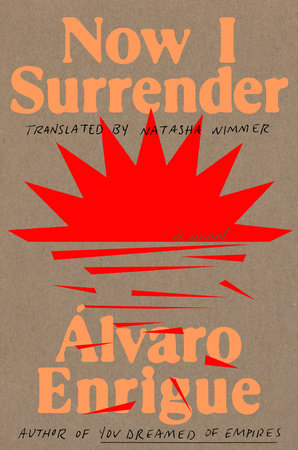
Enrigue offers a more nuanced portrait of the U.S.-Mexico borderlands, scrapping the binary of cowboy and Indian while also eschewing pat depictions of victimized Natives. His Apachería holds a complex society inhabited by criollos, mestizos, and people of several Indigenous ethnicities, some of whom have acculturated to European ways (indio de razón, or “Indian of reason,” in the lingo of the era). Zuloaga’s smart-mouthed troop functions as a lively microcosm of this world. The lieutenant colonel is a powerful criollo. His steely aide-de-camp, Mauricio Corredor (also based on a historical figure), is of Rarámuri heritage but has assimilated into Mexican culture. The rambunctious Yaqui brothers, Guadalupe and Victoria—named for the Mexican independence leader Guadalupe Victoria—aren’t keen to be called Mexican, but they consider the Apaches to be an ancestral enemy. The group reflects a place where boundaries, identities, and allegiances are always in flux. Today, the southern U.S. border is depicted by right-wing figures as a hard line between us and them, two groups with irreconcilable interests. In fact, it is—and has always been—a polyglot meeting point.
A Western That Goes Where Cormac McCarthy Wouldn’t
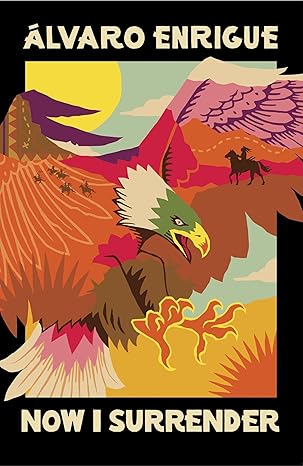
Another version of the cover is, at least, colorful.
I’m old enough but apparently did not read Gray’s when you were reviewing books there, but your piece in the anniversary edition pricked my interest in your writing. Now Wieland has set you up with O’Connor as someone who knows something about aloneness. Which of your books would you recommend for reading with that in mind?
Thanks, Jim
Steve is no longer able to reply. I would suggest his Querencia as maybe what you want.