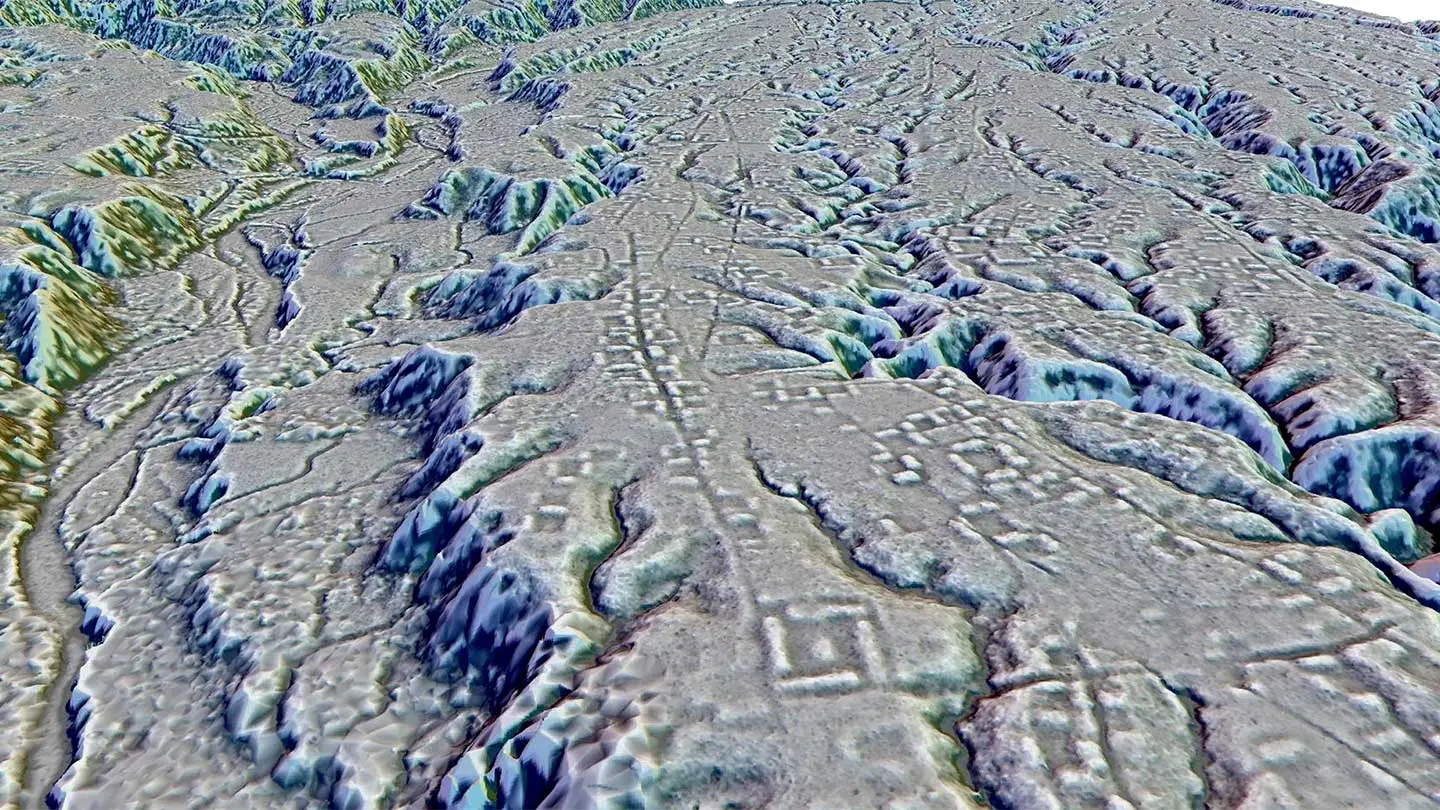
Scientists have uncovered the Amazon’s earliest and largest example of farm-based citylike settlements high in the foothills of the Ecuadorian Andes.
The thousands of mounds, plazas, terraces, roads and agricultural fields — revealed for the first time in their fullest extent by airborne laser scans — necessitate a rethinking of just how complex ancient civilizations of the Amazon may have been, researchers report in the Jan. 12 Science.
“It’s a gold rush scenario, especially for the Americas and the Amazon,” says Christopher Fisher, an archaeologist at Colorado State University in Fort Collins who has scanned sites throughout the Americas but was not involved in the new research. “Scientists are demonstrating conclusively that there were a lot more people in these areas, and that they significantly modified the landscape,” he says. “This is a paradigm shift in our thinking about how extensively people occupied these areas.”
Breaking news,
Beyond what the work says about the landscape, Fisher says, it’s also revealing a lot about the people who lived there. After Europeans’ conquest in predominately the 1500s, many Indigenous populations were almost wiped out by disease. “We see the Amazon today as a pristine tropical forest, but in reality, it’s an abandoned garden,” he says. “And this is the first time we’ve been able to see these people since they were victims of this incredible mortality event.”
The biggest human decline in history? Lidar is likely to show it was far worse than thought.